

Hey there! As a supplier of outrunner brushless motors, I've heard a lot of questions from customers about reducing the noise these motors make. It's a common issue that can be a real pain, especially in applications where quiet operation is crucial. So, in this blog post, I'm going to share some tips and tricks on how to reduce the noise of an outrunner brushless motor.
Understanding the Sources of Noise
Before we dive into the solutions, it's important to understand where the noise is coming from. There are several potential sources of noise in an outrunner brushless motor:
- Electromagnetic Noise: This is caused by the interaction between the magnetic fields in the motor. When the motor is running, the changing magnetic fields can create vibrations and electrical interference, which can result in a high-pitched whining or buzzing sound.
- Mechanical Noise: This type of noise is caused by the physical movement of the motor components. It can include things like bearing noise, gear noise, or the sound of the motor's rotor spinning.
- Aerodynamic Noise: When the motor is spinning, it can create air turbulence, which can produce a whistling or humming sound. This is especially noticeable at high speeds.
Tips for Reducing Noise
1. Choose the Right Motor
The first step in reducing noise is to choose the right motor for your application. Look for motors that are designed for quiet operation. Some motors are specifically engineered with noise reduction in mind, with features like improved bearing design, better magnetic shielding, and smoother rotor operation.
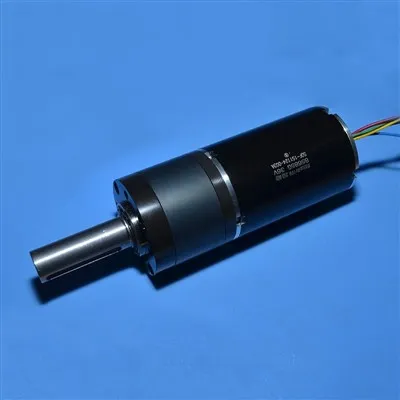
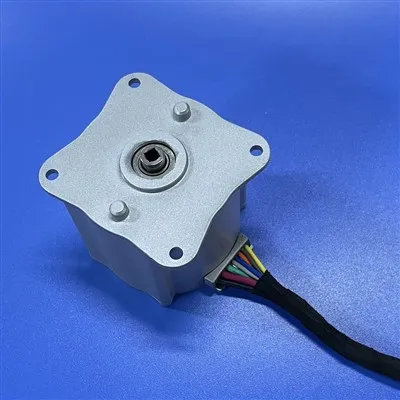
For example, our Outrunner Brushless Motor is designed with advanced technology to minimize noise and vibration. It uses high-quality bearings and a precision-balanced rotor to ensure smooth and quiet operation.
2. Proper Installation
Proper installation is crucial for reducing noise. Make sure the motor is mounted securely and that all the connections are tight. Loose mounts or connections can cause the motor to vibrate, which can increase noise levels.
Also, consider using vibration isolation mounts or pads to reduce the transfer of vibrations from the motor to the surrounding structure. These mounts can help absorb the vibrations and prevent them from being transmitted as noise.


3. Optimize the Power Supply
The power supply can also have an impact on the noise level of the motor. Make sure you're using a stable and clean power source. A noisy or unstable power supply can cause electrical interference, which can lead to increased noise in the motor.
Consider using a power filter or regulator to clean up the power supply and reduce electrical noise. This can help improve the overall performance of the motor and reduce noise levels.
4. Adjust the Motor Settings
Many outrunner brushless motors allow you to adjust the settings, such as the speed, torque, and acceleration. By optimizing these settings, you can reduce the stress on the motor and minimize noise.
For example, if the motor is running at a higher speed than necessary, it can create more noise. Try reducing the speed to a level that still meets your requirements but is quieter. You can also adjust the acceleration and deceleration settings to smooth out the motor's operation and reduce noise.
5. Use High-Quality Components
Using high-quality components can also help reduce noise. This includes things like bearings, gears, and wiring. Low-quality components can wear out more quickly and create more noise.
Invest in high-quality bearings that are designed for low noise and long life. Make sure the gears are properly lubricated and meshed to reduce friction and noise. And use high-quality wiring to minimize electrical interference.
6. Regular Maintenance
Regular maintenance is essential for keeping your motor running smoothly and quietly. This includes things like cleaning the motor, checking the bearings, and lubricating the moving parts.
Over time, dirt and debris can build up in the motor, which can cause increased friction and noise. By cleaning the motor regularly, you can remove this debris and keep the motor running efficiently.
Also, check the bearings regularly for signs of wear or damage. If the bearings are worn, they can create a lot of noise. Replace the bearings as needed to keep the motor running quietly.
Conclusion
Reducing the noise of an outrunner brushless motor is not always easy, but it's definitely possible. By following these tips and tricks, you can significantly reduce the noise level of your motor and improve its overall performance.
If you're looking for a high-quality outrunner brushless motor that is designed for quiet operation, check out our Brushless DC Outrunner Motor and Outrunner Brushless DC Motor. We offer a wide range of motors to meet your specific needs.
If you have any questions or need more information, feel free to contact us. We're here to help you find the right motor for your application and ensure that it runs as quietly and efficiently as possible.
References
- "Brushless DC Motors: Theory, Design, and Application" by Timothy Kenney
- "Electric Motors and Drives: Fundamentals, Types, and Applications" by Austin Hughes and Bill Drury