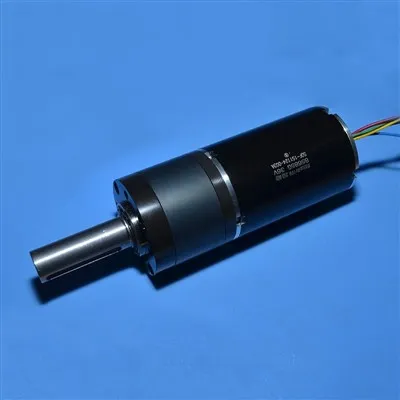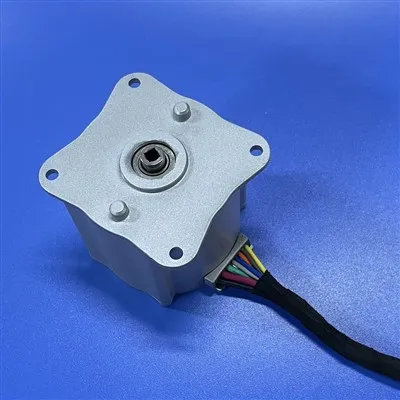


When it comes to gear motors, choosing the right brake is crucial for ensuring safety, efficiency, and optimal performance. As a gear motor supplier, I understand the importance of making the correct brake selection. In this blog post, I'll guide you through the process of choosing the right brake for a gear motor, covering key factors to consider and providing practical tips.
Understanding the Role of Brakes in Gear Motors
Brakes in gear motors serve several critical functions. They are primarily used to stop the motor quickly and hold the load in place when the motor is not running. This is especially important in applications where precision positioning, load holding, or emergency stops are required. For example, in conveyor systems, brakes prevent the conveyor from moving when it's supposed to be stationary, ensuring product handling accuracy. In hoists and lifts, brakes hold the load safely at a specific position, preventing it from falling.
Types of Brakes for Gear Motors
There are several types of brakes commonly used with gear motors, each with its own advantages and suitable applications.
Electromagnetic Brakes
Electromagnetic brakes are the most widely used type in gear motor applications. They work by using an electromagnetic field to engage or disengage the brake. When the power is applied to the brake coil, the magnetic field is generated, which either releases or engages the brake. Electromagnetic brakes offer fast response times, high holding torque, and are suitable for applications that require frequent stops and starts. They are commonly used in industrial machinery, robotics, and automation systems.
Spring-Applied Brakes
Spring-applied brakes are designed to engage when the power is off. They use springs to apply pressure to the brake pads, holding the motor shaft in place. When power is applied, an electromagnetic force overcomes the spring force, releasing the brake. Spring-applied brakes are often used in applications where safety is a top priority, such as elevators and cranes. They provide fail-safe operation, ensuring that the load is held securely in case of a power failure.
Hydraulic Brakes
Hydraulic brakes use hydraulic fluid to transmit force and engage the brake. They offer high torque capacity and are suitable for heavy-duty applications. Hydraulic brakes are commonly used in large industrial equipment, such as mining machinery and construction vehicles. They provide smooth and precise braking action, making them ideal for applications that require high levels of control.
Factors to Consider When Choosing a Brake for a Gear Motor
When selecting a brake for a gear motor, several factors need to be taken into account to ensure the right fit for your application.


Torque Requirements
The torque requirement is one of the most important factors to consider. The brake must be able to generate enough torque to stop the motor and hold the load. To determine the torque requirement, you need to consider the load inertia, the speed of the motor, and the required stopping time. You can calculate the required torque using the following formula:
[T = \frac{J \times \Delta \omega}{\Delta t}]
Where:
- (T) is the required torque (N.m)
- (J) is the load inertia (kg.m²)
- (\Delta \omega) is the change in angular velocity (rad/s)
- (\Delta t) is the required stopping time (s)
Operating Environment
The operating environment can have a significant impact on the performance and lifespan of the brake. Factors such as temperature, humidity, dust, and vibration need to be considered. For example, in high-temperature environments, you may need to choose a brake that can withstand the heat. In dusty or dirty environments, a brake with a sealed design may be required to prevent contamination.
Duty Cycle
The duty cycle refers to the ratio of the time the brake is engaged to the total operating time. A high-duty cycle means that the brake will be engaged frequently, which can lead to increased wear and tear. When choosing a brake, you need to consider the duty cycle of your application and select a brake that can handle the required number of stops and starts.
Response Time
The response time of the brake is the time it takes for the brake to engage or disengage. In applications where quick stops are required, such as in emergency situations, a brake with a fast response time is essential. Electromagnetic brakes typically offer faster response times compared to other types of brakes.
Cost
Cost is always a consideration when choosing a brake. You need to balance the cost of the brake with its performance and reliability. While it may be tempting to choose the cheapest option, it's important to remember that a low-quality brake may not provide the required performance or durability, which can lead to increased maintenance costs and downtime in the long run.
Matching Brakes to Different Types of Gear Motors
Different types of gear motors may require different types of brakes. Here are some guidelines for matching brakes to different types of gear motors:
Miniature Geared Motor
Miniature geared motors are commonly used in applications where space is limited, such as in small robotic devices and medical equipment. For these motors, electromagnetic brakes are often a good choice due to their compact size and fast response times.
Micro Geared Motor
Micro geared motors are even smaller than miniature geared motors and are used in applications such as consumer electronics and small appliances. Similar to miniature geared motors, electromagnetic brakes are a popular choice for micro geared motors due to their small size and high performance.
DC Brushless Geared Motor
DC brushless geared motors are known for their high efficiency and long lifespan. They are commonly used in industrial automation and robotics applications. For DC brushless geared motors, spring-applied brakes are often used to provide fail-safe operation and ensure the safety of the equipment.
Practical Tips for Choosing the Right Brake
Here are some practical tips to help you choose the right brake for your gear motor:
- Consult with a professional: If you're unsure about which brake to choose, it's a good idea to consult with a professional engineer or a gear motor supplier. They can provide you with expert advice based on your specific application requirements.
- Test the brake: Before installing the brake, it's a good idea to test it to ensure that it meets your requirements. You can perform tests such as torque testing and response time testing to verify the performance of the brake.
- Consider future expansion: When choosing a brake, it's important to consider future expansion and changes in your application. Choose a brake that can be easily upgraded or modified to accommodate future changes.
- Read the manufacturer's specifications: Make sure to read the manufacturer's specifications carefully to understand the capabilities and limitations of the brake. This will help you make an informed decision and ensure that the brake is suitable for your application.
Conclusion
Choosing the right brake for a gear motor is a critical decision that can have a significant impact on the performance, safety, and efficiency of your equipment. By considering factors such as torque requirements, operating environment, duty cycle, response time, and cost, you can select the brake that best meets your application needs. As a gear motor supplier, I'm here to help you make the right choice. If you have any questions or need further assistance, please don't hesitate to contact me for a procurement discussion.
References
- "Motion Control Handbook" by Peter Nachtwey
- "Electromechanical Motion Devices" by Thomas Kenjo