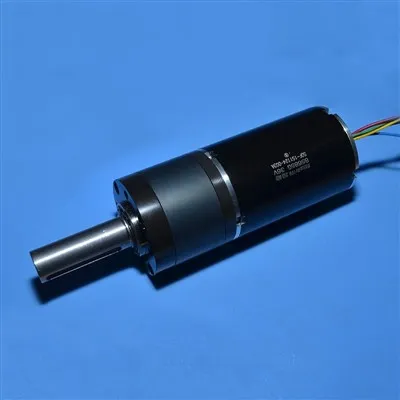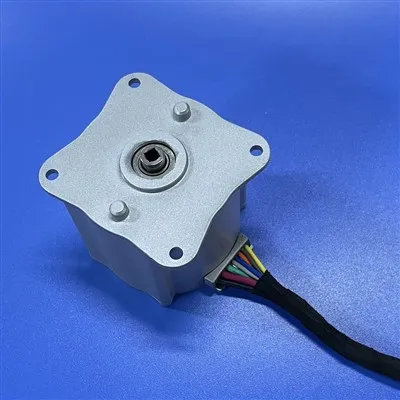


Hey there! As a supplier of Planetary Gear Motors, I often get asked about how to install a brake on these motors. It's an important process that can enhance the performance and safety of your equipment. So, let's dive right into it.
Why Install a Brake on a Planetary Gear Motor?
Before we get into the installation process, let's quickly talk about why you might want to install a brake on your planetary gear motor. A brake can provide several benefits, such as:
- Stopping power: It allows you to quickly stop the motor and hold the load in place, which is crucial in applications where precision and safety are important.
- Preventing backdriving: In some cases, the load may try to drive the motor in the opposite direction. A brake can prevent this from happening, protecting the motor and the equipment.
- Enhancing control: With a brake, you have more control over the motor's operation, especially in applications where you need to start and stop the motor frequently.
Tools and Materials You'll Need
To install a brake on a planetary gear motor, you'll need the following tools and materials:
- Wrenches: You'll need a set of wrenches to remove and install the motor and the brake.
- Screwdrivers: A Phillips head and a flathead screwdriver will be useful for removing and installing screws.
- Brake kit: Make sure you have the correct brake kit for your planetary gear motor. You can find a variety of brake kits for Planetary Gear Motor on our website.
- Lubricant: A small amount of lubricant can help ensure smooth operation of the brake.
Step-by-Step Installation Process
Now, let's go through the step-by-step process of installing a brake on a planetary gear motor.
Step 1: Prepare the Motor
- First, make sure the motor is turned off and disconnected from the power source. This is important for your safety.
- Remove the motor from the equipment. You may need to use a wrench to loosen the bolts or screws that hold the motor in place.
Step 2: Remove the Existing Components
- If there are any existing components on the motor shaft, such as a pulley or a coupling, remove them. This will give you access to the motor shaft for installing the brake.
Step 3: Install the Brake
- Take the brake kit and carefully follow the manufacturer's instructions. Usually, you'll need to slide the brake onto the motor shaft and align it with the mounting holes.
- Use the provided screws or bolts to secure the brake to the motor. Make sure the brake is tightened properly to prevent any movement.
Step 4: Connect the Brake Wires
- Most brakes have electrical connections. Follow the wiring diagram provided in the brake kit to connect the brake wires to the motor's electrical system. Make sure the connections are secure and insulated to prevent any electrical shorts.
Step 5: Test the Brake
- Once the brake is installed and the wires are connected, turn on the power to the motor. Test the brake by applying power to the motor and then activating the brake. The motor should stop quickly and hold the load in place.
- If the brake doesn't work properly, double-check the installation and the wiring. Make sure the brake is adjusted correctly and that there are no loose connections.
Tips and Tricks
- Read the instructions carefully: Before you start the installation process, make sure you read the instructions provided with the brake kit. Each brake kit may have slightly different installation requirements.
- Use the right tools: Using the right tools will make the installation process easier and safer. Make sure you have all the necessary tools before you start.
- Lubricate the brake: Applying a small amount of lubricant to the brake components can help ensure smooth operation and reduce wear.
- Test the brake regularly: After the installation, it's important to test the brake regularly to make sure it's working properly. This will help prevent any potential problems and ensure the safety of your equipment.
Other Types of Gear Motors
In addition to Planetary Gear Motor, we also offer other types of gear motors, such as DC Brushless Geared Motor and Miniature Geared Motor. These motors have their own unique features and applications, so make sure you choose the right one for your needs.
Contact Us for More Information
If you have any questions about installing a brake on a planetary gear motor or if you're interested in purchasing our gear motors, please don't hesitate to contact us. We're here to help you find the right solution for your application.


References
- Manufacturer's instructions for the brake kit
- Technical documentation for the planetary gear motor