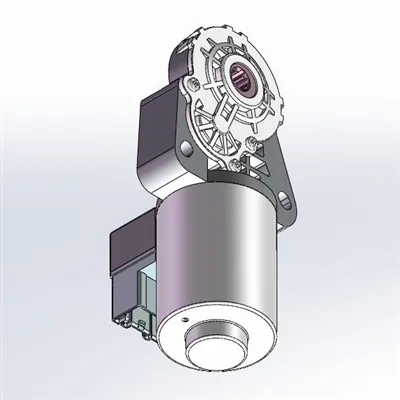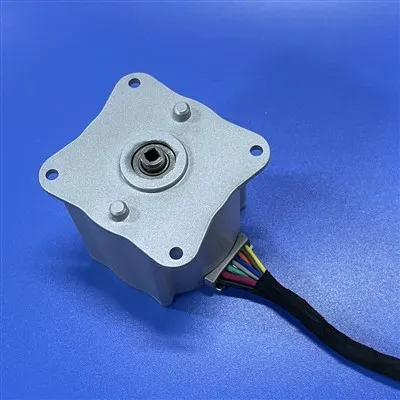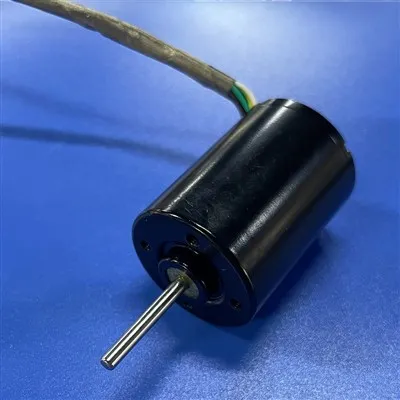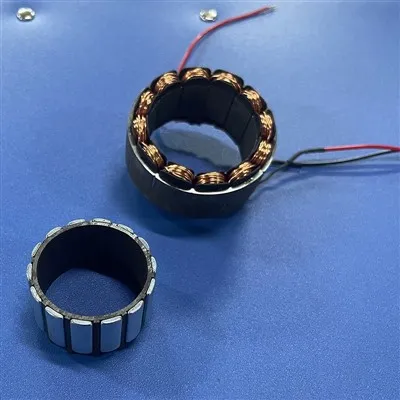


When selecting a gear reducer to match a brushless DC motor, several factors need to be considered to ensure a good match and efficient operation. Here are some key steps and considerations:
Determine Motor Performance Parameters:
First, determine the performance parameters of the brushless DC motor, including power, speed, and torque. These parameters directly affect the selection of the reducer.
Consider the Reducer's Reduction Ratio:
The reduction ratio is a crucial parameter of the gear reducer, determining the match between the motor's output speed and the load requirements. Calculate the required reduction ratio based on the motor's speed and the speed required by the load.
Evaluate the Reducer's Rated Torque:
The gear reducer's rated torque must be able to withstand the output torque of the brushless DC motor at maximum load. Ensure that the reducer's rated torque is greater than or equal to the motor's maximum torque to guarantee normal operation.
Check the Reducer's Accuracy and Backlash:
Based on specific operating requirements, consider the reducer's backlash and accuracy. Backlash determines the reducer's positioning accuracy, which in turn affects the performance of the entire transmission system.
Consider the gearbox specifications and dimensions:
Ensure the gearbox specifications and dimensions match the motor for smooth installation and connection. Also consider the gearbox's weight and size to suit specific application scenarios.
Consider the gearbox efficiency and noise:
Choosing a high-efficiency gearbox reduces energy loss and improves system performance. Noise is also an important consideration, especially in applications requiring a low-noise environment.
Refer to professional advice and case studies:
Consult motor and gearbox manufacturers or professional engineers for matching advice tailored to specific application scenarios. Also, refer to successful experiences from similar applications to optimize the matching solution.
In summary, selecting a gearbox to match a brushless DC motor is a comprehensive process that requires considering multiple factors. By clarifying the motor's performance parameters, calculating the reduction ratio, evaluating the rated torque, checking accuracy and backlash, and considering factors such as specifications and dimensions, efficiency, and noise, you can ensure the selection of a suitable gearbox, achieving a good match between the motor and the gearbox for efficient operation.