

I. Brushless Motor Working Principle
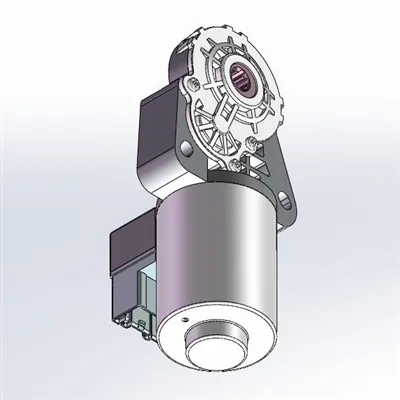
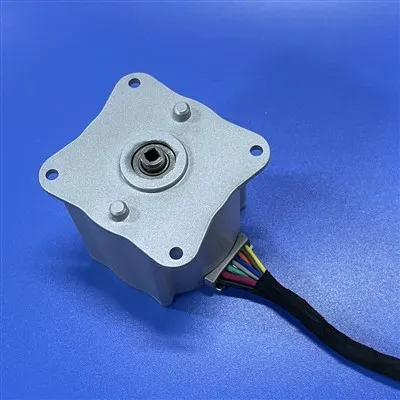
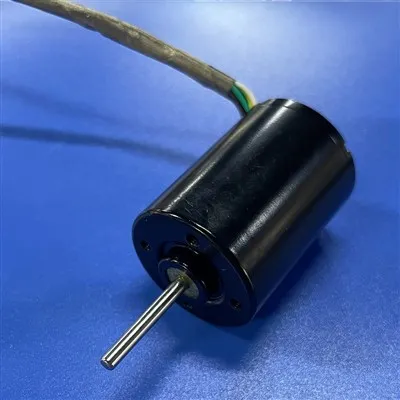
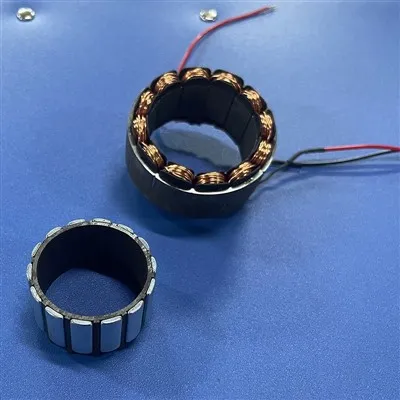
A brushless motor, also known as a brushless DC motor, eliminates the traditional brush and commutator structure, employing electronic commutation technology. Its basic working principle is as follows: Sensors detect the rotor position, and a microprocessor controls the corresponding power switching devices in the drive circuit based on the rotor position signal. This causes the stator windings to be energized in a specific sequence, generating a continuously rotating magnetic field in the air gap between the stator and rotor, driving the rotor to rotate. This motor structure offers numerous advantages, including high efficiency, low noise, and long lifespan.
II. Applications of Brushless Motors in Automobiles
Electric Vehicles and Hybrid Vehicles
In electric vehicles (EVs) and hybrid electric vehicles (HEVs), brushless motors are a crucial component of the power drive system, providing power to the vehicle. Compared to brushed motors, brushless motors are more efficient, quieter, and have lower maintenance costs. This results in significant improvements in driving range, driving experience, and environmental performance for electric and hybrid vehicles.
Advanced Driver Assistance Systems (ADAS)
Brushless motors are also widely used in advanced driver assistance systems (ADAS), such as automatic steering, automatic braking, and adaptive cruise control. Their high precision, rapid response, and high reliability enable these systems to react quickly in emergencies, thereby improving driving safety.
Automotive Air Conditioning and Cooling Systems
The application of brushless motors in automotive air conditioning and cooling systems is also increasing. They drive fans, compressors, and other equipment to provide a comfortable driving environment for passengers. Compared to traditional brushed motors, brushless motors improve system efficiency, extend equipment lifespan, and reduce operating noise.
Automotive Door and Window and Sunroof Control
Modern cars increasingly use brushless motors for controlling doors, windows, and sunroofs. This is thanks to the high reliability and long lifespan of brushless motors, making these components operate more smoothly, quietly, and reliably.
Seat Adjustment and Rearview Mirror Control
Brushless motors are also widely used in automotive seat adjustment and rearview mirror control systems. They can precisely adjust seat and rearview mirror angles as needed, improving driving comfort and ensuring driving safety.
In conclusion, brushless motors, with their unique advantages, are increasingly widely used in the automotive industry, not only improving vehicle performance but also providing a more comfortable and safer driving environment for passengers. In the future, with the rapid development of new energy vehicles, the application of brushless motors will become even more widespread, becoming one of the key technologies driving the development of the automotive industry.