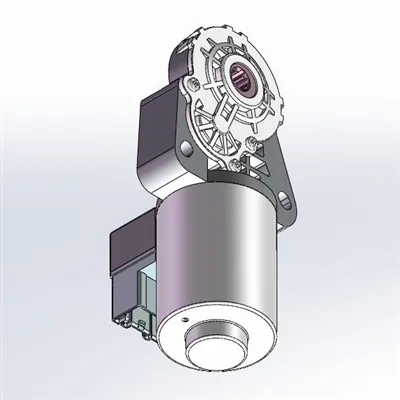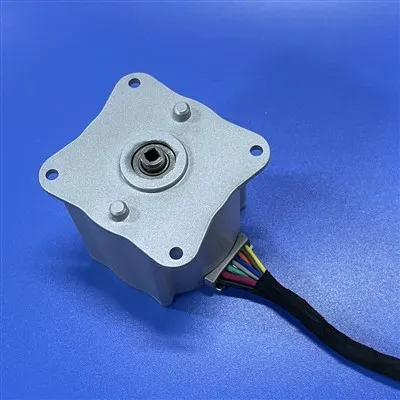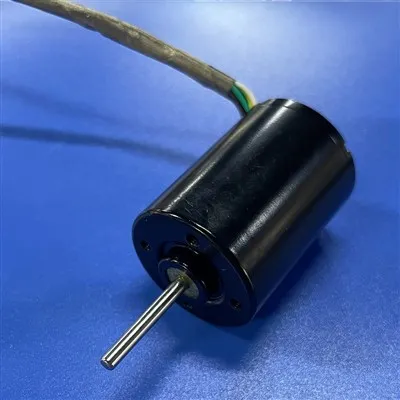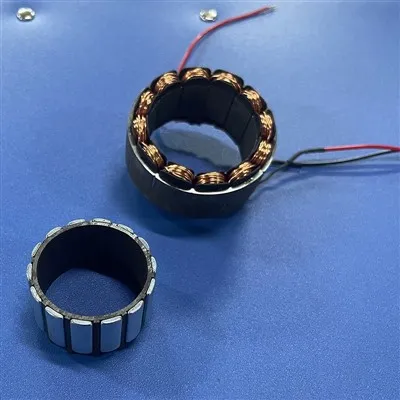


Brushless DC motors and three-phase asynchronous motors are two common types of electric motors. A brushless DC motor consists of a rotor and a stator. The rotor is composed of a series of permanent magnets, while the stator includes coils and slots. A three-phase asynchronous motor, on the other hand, consists of a rotor and a stator. The rotor is made of conductive material, while the stator includes three coils powered by a power source.
Structurally, the rotor of a brushless DC motor has no wire connections, resulting in higher reliability and stability. In contrast, the rotor of a three-phase asynchronous motor has wire connections, making it more susceptible to short circuits or open circuits between coils. Therefore, in some applications, brushless DC motors are more suitable for applications requiring high reliability.
In terms of control, brushless motors use electronic speed control systems to control motor speed, resulting in higher control precision and a wider speed range. Three-phase motors, however, require frequency converters for speed control, leading to lower control precision and a narrower speed range. Therefore, brushless DC motors are more advantageous in applications requiring precise speed and position control.
In terms of power, brushless DC motors typically have higher power density because they use permanent magnets as rotors, resulting in a stronger magnetic field. In contrast, three-phase asynchronous motors have lower power density because their rotors are made of conductive materials. Therefore, brushless DC motors are a better choice for applications requiring higher power output within limited space.
Regarding cost, brushless DC motors are more expensive to manufacture due to the need for permanent magnets and electronic speed control systems. Three-phase asynchronous motors, on the other hand, are relatively cheaper to manufacture because of their simpler structure and lack of permanent magnets. Therefore, three-phase asynchronous motors are more advantageous in cost-sensitive applications.
In general, brushless DC motors are suitable for applications requiring high speed and position control and high reliability, while three-phase asynchronous motors are suitable for applications with lower power requirements and cost sensitivity. The appropriate motor type can be selected based on specific application needs and technical requirements.
If you would like to learn more about brushless motors, please visit our website's news section for industry updates. For detailed information on selecting brushless DC motors, please contact us by phone. We have professional technical engineers to provide selection services and are dedicated to serving you.