

As a core functional component of modern automotive interiors, electric seats achieve precise adjustment of seat position and angle through motor drive. Compared to traditional manual seats, electric seats, through an integrated motor system, can perform multi-dimensional motion control, including fore-and-aft sliding, backrest tilting, and height adjustment, with millimeter-level precision and multi-position memory function. This technological breakthrough mainly relies on the miniaturization and high torque output characteristics of DC motors, as well as their collaborative work with the electronic control unit (ECU), thus meeting the needs of automotive seats to achieve complex movements within limited space.
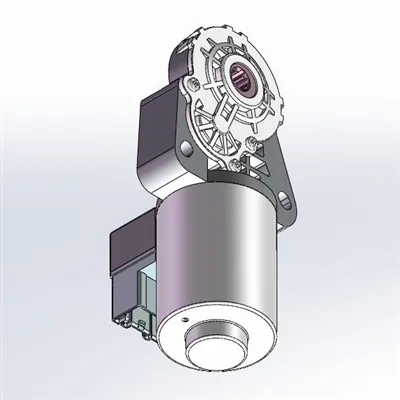
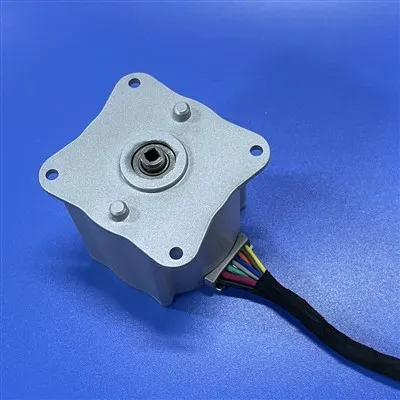
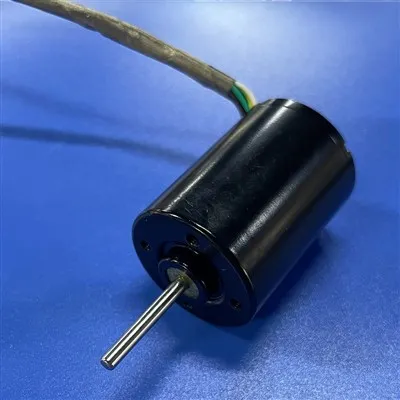
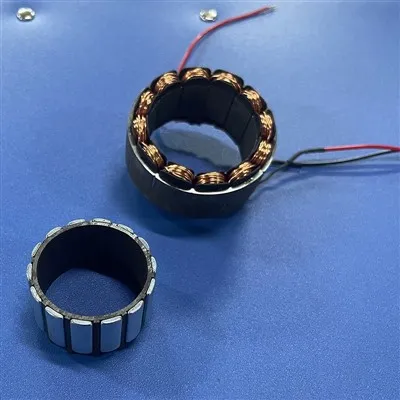
Taking the DR (Digital Adjustment) motor of an electric car rear spoiler seat as an example, its technical parameters directly determine the seat's adjustment performance. This motor uses 24V DC drive and can stably output a minimum holding torque of 3nm under rated voltage, ensuring sufficient power support for the seat during adjustment while avoiding jamming or abnormal noises caused by load changes. Its compact 23mm length and lightweight 1.2kg design allow for flexible integration into the narrow space of the seat frame, achieving seamless integration of the drive module and the seat structure. Furthermore, this motor optimizes energy efficiency through brushless DC technology, reducing energy consumption by over 30% compared to traditional brushed motors, while keeping operating noise below 45 decibels, significantly improving driving comfort.
In application scenarios, the motors for electric seats must meet high reliability requirements. Taking the B5070G motor from Hengqu Technology as an example, its production process follows the automotive industry's IATF 16949 quality management system, with rigorous testing from material selection to packaging processes. For instance, the motor housing uses high-strength engineering plastics that can withstand extreme temperature changes from -40℃ to 85℃; the internal gear set uses powder metallurgy, achieving a tooth surface hardness of HRC58, ensuring no wear during over 100,000 reciprocating cycles. These technical details collectively ensure the stability of the electric seat during long-term use, reducing the risk of seat adjustment failure due to motor malfunction.