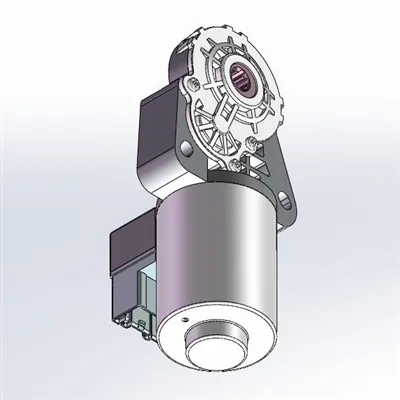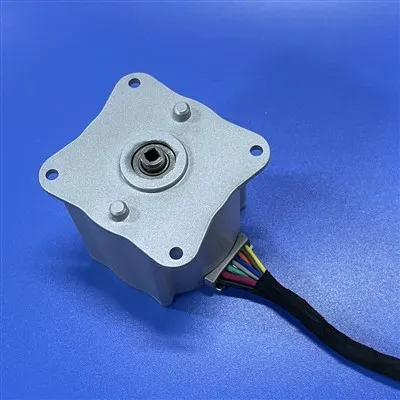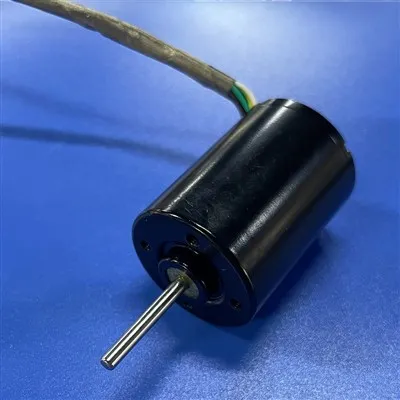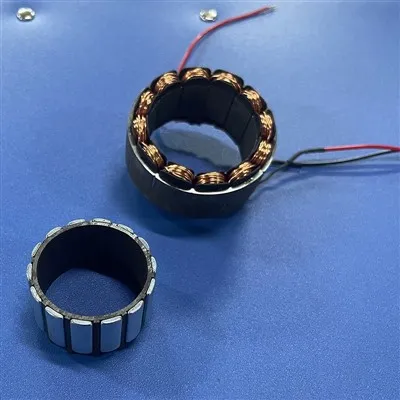


Electric motors in new energy vehicles can generally be divided into three categories: DC Motors, AC Motors, and BLDC Motors. Each type of motor has its unique advantages and applicable scenarios.
1. DC Motor: The DC motor was the first type of motor used in electric vehicles.
Its advantages are as follows:
Good starting and acceleration performance: DC motors have excellent starting and acceleration performance, responding quickly to driver commands and providing high torque output.
Wide speed range: DC motors have a wide speed range, allowing for precise speed control as needed.
Simple structure and high reliability: DC motors have a relatively simple structure with fewer parts, resulting in high reliability and maintainability.
However, DC motors also have some disadvantages:
Shorter lifespan: Due to the use of friction components such as brushes and brush rings, DC motors have a relatively short lifespan and require periodic replacement.
Relatively low energy efficiency: DC motors have relatively low energy efficiency, with a lower efficiency in converting electrical energy.
2. AC Motor: The AC motor is a type of motor that has been increasingly widely used in new energy vehicles in recent years.
Its advantages are as follows:
High efficiency: AC motors have high energy efficiency, converting input electrical energy into mechanical energy efficiently.
Long lifespan: AC motors have a relatively long lifespan, requiring less frequent replacement of parts.
Low maintenance cost: Because AC motors do not use brushes or other consumable parts, maintenance costs are lower.
However, AC motors also have some limitations:
Complex control: Compared to DC motors, AC motor control is relatively complex, requiring more sophisticated control algorithms and hardware support.
Poor starting performance: AC motors have relatively poor starting performance, requiring auxiliary devices for assisted starting.
3. Brushless DC Motor (BLDC Motor): A brushless DC motor is a type of motor that combines the advantages of DC and AC motors.
Its advantages are as follows:
High efficiency: Brushless DC motors have high energy efficiency, providing higher speed and torque output.
Long lifespan: Because brushless DC motors do not use brushes or other consumable parts, they have a longer lifespan and lower maintenance costs.
Simple Control: Compared to AC motors, brushless DC motors are relatively simple to control, with lower control algorithms and hardware costs.
However, brushless DC motors also have some limitations:
Higher Cost: The manufacturing cost of brushless DC motors is relatively high, which may increase the overall vehicle cost in some applications.
Requirement of Electronic Speed Controller: Brushless DC motors require an electronic speed controller for control, increasing system complexity.
In summary, different types of new energy vehicle motors each have their own advantages and disadvantages. When selecting a motor type, factors such as vehicle performance requirements, cost, and application scenarios need to be comprehensively considered. With technological advancements, motor types may further evolve and improve to provide more efficient, reliable, and economical drive solutions.