

With the rapid advancement of intelligent technologies, intelligent drive and control systems have become pivotal in driving progress across sectors such as industrial automation, transportation, and smart home technology. Hengqu presents this comprehensive and forward-looking implementation plan for intelligent drive and control systems, designed to help enterprises and individuals build an efficient and intelligent future.
I. Project Background and Objectives
Background:
Widespread global adoption of intelligent technologies.
Limitations in traditional drive and control systems regarding efficiency, energy consumption, and safety.
Objectives:
Design and implement a highly efficient, energy-saving, and safe intelligent drive and control system.
Improve system response speed, reduce energy consumption, and enhance user experience.
II. System Architecture Design
Hardware Architecture:
Utilize high-performance microprocessors or embedded systems as the core control unit.
Equip with hardware components such as sensors, actuators, and human-machine interfaces (HMI).
Employ a modular design to facilitate scalability and maintenance.
Software Architecture:
Develop a Real-Time Operating System (RTOS) or a dedicated software platform to ensure stable system operation.
Implement functional modules for data acquisition, processing, transmission, and storage.
Integrate artificial intelligence algorithms to enable intelligent decision-making and optimization.
III. Key Technologies
Intelligent Drive Technology:
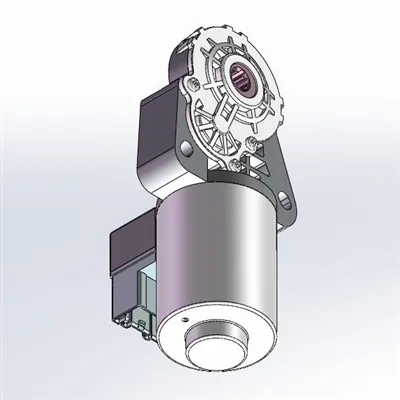
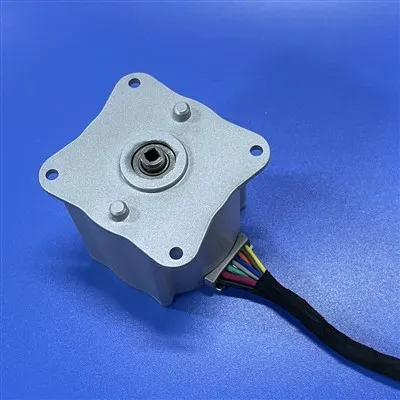
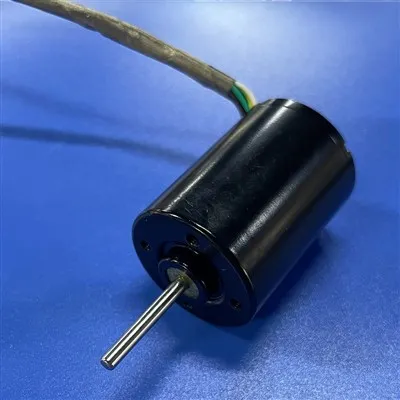
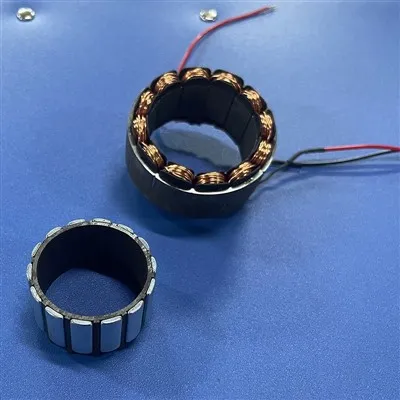
Employ advanced motor drive technologies, such as PWM (Pulse Width Modulation) and vector control.
Ensure efficient and stable motor operation while minimizing energy consumption.
Control System Algorithms:
Develop algorithms such as adaptive control, fuzzy control, and neural networks to enhance system response speed and stability.
Enable system self-learning and optimization to adapt to diverse operating environments.
Communication Technology:
Utilize technologies such as wireless communication, Bluetooth, and Wi-Fi for inter-device data transmission.
Ensure real-time performance and reliability in data transmission.
IV. Implementation Steps
Requirements Analysis:
Analyze target application scenarios and define functional requirements and performance specifications.
Solution Design:
Design system architecture, select hardware components, and define software functions based on the requirements analysis.
Prototype Development:
Build a system prototype and conduct preliminary testing and validation.
System Optimization:
Optimize and adjust the system based on test results.
Mass Production:
Proceed to mass production following system optimization.
Market Promotion:
Expand the system's application scope through market promotion.
V. Expected Outcomes
Increased Efficiency: Intelligent drive and control systems enable efficient equipment operation and reduce energy consumption.
Enhanced Safety: Real-time monitoring and intelligent decision-making improve system safety.
Improved User Experience: Intelligent operating interfaces and convenient functional designs enhance the user experience.
Reduced Costs: In the long run, intelligent drive and control systems can lower maintenance and labor costs.
Conclusion
The Hengqu intelligent drive and control system solution aims to drive the evolution of various industries toward intelligence and high efficiency through technological innovation. As technology continues to advance, this solution will provide robust support for building an efficient, intelligent future.