

Introduction: In the rapid development of the automotive industry, automotive-grade brushless motors, with their high efficiency, stability, and real-time controllability, have become a crucial force driving the intelligentization and electrification of automobiles. This article will delve into the advantages of automotive-grade brushless motors and how they meet the high demands of modern automobiles for real-time control.

I. Core Advantages of Automotive-Grade Brushless Motors
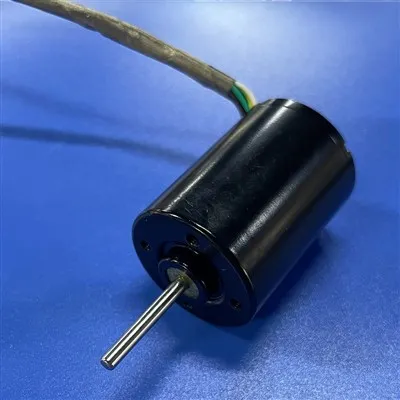
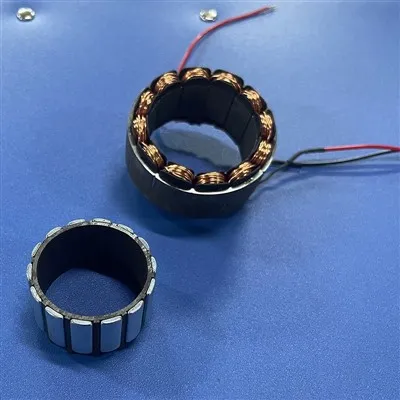
High Efficiency and Energy Saving: Brushless motors utilize advanced permanent magnet materials, resulting in high conversion efficiency and low energy consumption, contributing to improved vehicle range.
Stable and Reliable: Brushless motors feature a simple structure, smooth operation, and strong anti-interference capabilities, enabling stable operation in various complex environments.
Real-Time Control: Brushless motors support real-time control, enabling rapid response to driving commands and enhancing the driving experience.
Long Lifespan: Brushless motors employ high-quality materials and precision manufacturing processes, resulting in a long service life and low maintenance costs.
II. Application Scenarios of Automotive-Grade Brushless Motors
Electric Drive Systems: Brushless motors are a core component of electric vehicles, providing powerful performance.
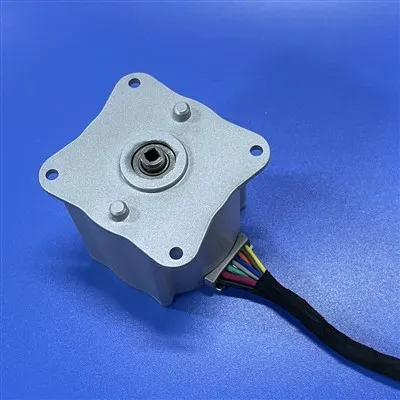
Power Steering System: Brushless motors are used in power steering systems to reduce driver fatigue and improve steering precision.
Air Conditioning Compressor: Brushless motors drive air conditioning compressors for efficient cooling and enhanced cabin comfort.
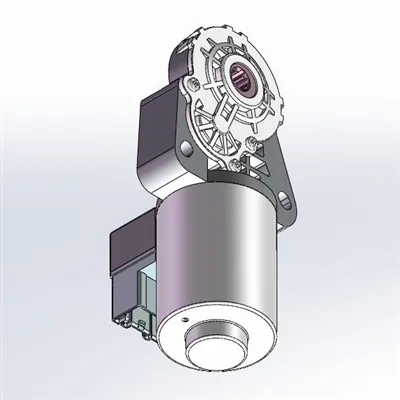
Window Regulators: Brushless motors are used in window regulators for fast and smooth operation.
III. Technical Challenges Under Real-Time Control Requirements
High-Speed Response: Brushless motors need to have rapid response capabilities to meet the real-time control demands of modern automobiles.
Precise Control: Brushless motors need to achieve precise torque and speed control to ensure driving safety.
System Integration: Brushless motors need to be tightly integrated with automotive electronic control systems for intelligent management.
IV. Future Development Trends
High Performance: Brushless motors will evolve towards higher performance and higher efficiency.
Intelligentization: Brushless motors will integrate more intelligent functions, such as adaptive control and fault diagnosis.
Green and Environmentally Friendly: Brushless motors will continue to be optimized to reduce energy consumption and achieve green and environmentally friendly operation.
In conclusion, automotive-grade brushless motors, with their superior performance and real-time control capabilities, are leading a transformation in the automotive industry. With continuous technological advancements, brushless motors will play an even more crucial role in future vehicles, bringing a more intelligent, efficient, and safer travel experience.