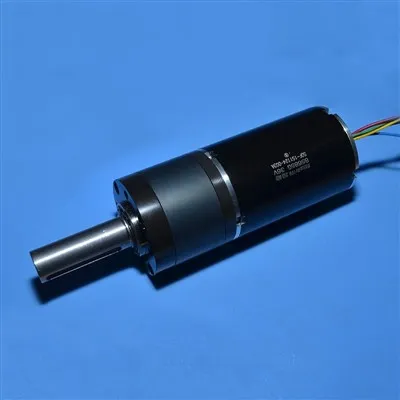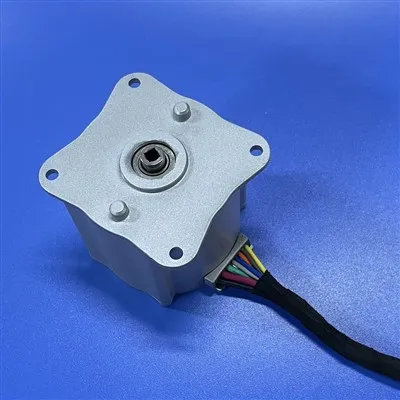


In the medical field, brushless motors play a crucial role in a wide range of applications, from electric wheelchairs to bone drill saws and physiotherapy couches. As a medical brushless motor supplier, I understand the importance of the proper mounting methods for these motors to ensure their optimal performance and safety. In this blog post, I will discuss the various mounting methods for medical brushless motors and their significance in different medical devices.
Direct Mounting
Direct mounting is one of the most common methods for installing medical brushless motors. In this method, the motor is directly attached to the device or equipment using bolts or screws. This type of mounting provides a rigid and stable connection, which is essential for precise control and efficient operation. For example, in an Electric Wheelchair Brushless Motor, direct mounting ensures that the motor is securely fixed to the wheelchair frame, allowing for smooth and reliable movement.


The advantage of direct mounting is its simplicity and high level of stability. It minimizes vibrations and reduces the risk of misalignment, which can lead to premature wear and tear of the motor. However, it requires careful alignment during installation to ensure that the motor is properly positioned and centered. Any misalignment can cause uneven loading on the motor, resulting in reduced efficiency and potential damage.
Flange Mounting
Flange mounting is another popular method for mounting medical brushless motors. In this approach, the motor is equipped with a flange, which is a flat, circular plate with holes for bolts. The flange is then bolted to the mounting surface of the medical device. This method is commonly used in applications where the motor needs to be easily removable for maintenance or replacement.
For instance, in a Bone Drill Saw Brushless Motor, flange mounting allows for quick and easy disassembly of the motor when it needs to be serviced or replaced. The flange provides a standardized interface, making it compatible with different types of drill saws. This type of mounting also helps to distribute the load evenly across the motor and the mounting surface, reducing stress on the motor and improving its overall durability.
Foot Mounting
Foot mounting is suitable for applications where the motor needs to be mounted on a flat surface. The motor is equipped with feet or brackets that are bolted to the mounting surface. This method is often used in devices such as physiotherapy couches, where the motor needs to be securely attached to the base of the couch.
In a Physiotherapy Couch Brushless Motor, foot mounting provides a stable and reliable support for the motor. It allows for easy installation and adjustment of the motor position, ensuring that it can be accurately aligned with the other components of the couch. Foot mounting also helps to isolate the motor from vibrations, which can improve the comfort of the patient using the couch.
Flexible Coupling Mounting
In some medical applications, flexible coupling mounting is used to connect the motor to the driven load. A flexible coupling is a device that allows for some degree of misalignment between the motor shaft and the load shaft. This is particularly useful in situations where there may be slight variations in the alignment due to manufacturing tolerances or thermal expansion.
Flexible coupling mounting helps to reduce stress on the motor and the driven load, improving the overall reliability and lifespan of the system. It also allows for smoother transmission of power, reducing vibrations and noise. However, it is important to select the appropriate type of flexible coupling based on the specific requirements of the application, such as the torque and speed of the motor.
Importance of Proper Mounting
Proper mounting of medical brushless motors is essential for several reasons. Firstly, it ensures the safety of the patients and operators. A securely mounted motor reduces the risk of the motor coming loose during operation, which could cause injury or damage to the medical device. Secondly, proper mounting improves the performance of the motor. A well - mounted motor operates more efficiently, with less vibration and noise, which can enhance the overall functionality of the medical device.
In addition, proper mounting also facilitates maintenance and repair. When the motor is mounted correctly, it is easier to access and service, reducing downtime and costs associated with maintenance. Moreover, it helps to meet the strict quality and safety standards required in the medical industry.
Factors to Consider in Mounting
When choosing a mounting method for a medical brushless motor, several factors need to be considered. The first factor is the type of medical device and its specific requirements. For example, a high - speed bone drill saw may require a more rigid mounting method to ensure precise control, while a physiotherapy couch may require a mounting method that provides flexibility and comfort.
The size and weight of the motor also play a crucial role. Larger and heavier motors may require more robust mounting methods to support their weight and prevent movement. The environment in which the motor will operate is another important consideration. Motors used in wet or corrosive environments may need to be mounted in a way that protects them from moisture and chemicals.
Conclusion
In conclusion, the mounting methods for medical brushless motors are diverse and play a vital role in the performance, safety, and reliability of medical devices. As a medical brushless motor supplier, I recommend carefully evaluating the specific requirements of each application to choose the most appropriate mounting method. Whether it is direct mounting, flange mounting, foot mounting, or flexible coupling mounting, each method has its own advantages and is suitable for different medical scenarios.
If you are in the market for high - quality medical brushless motors and need more information about the mounting methods or any other technical details, please feel free to contact us for a procurement discussion. We are committed to providing the best solutions for your medical device needs.
References
- "Brushless DC Motors: Theory, Design, and Applications" by Ned Mohan
- "Medical Device Design and Development" by David G. Ullman