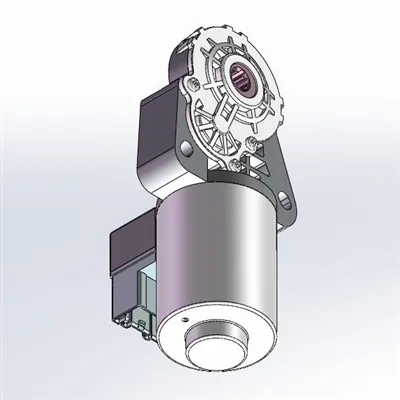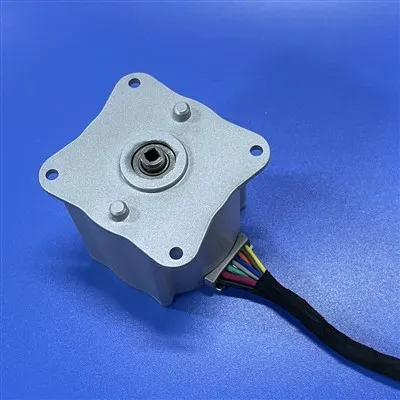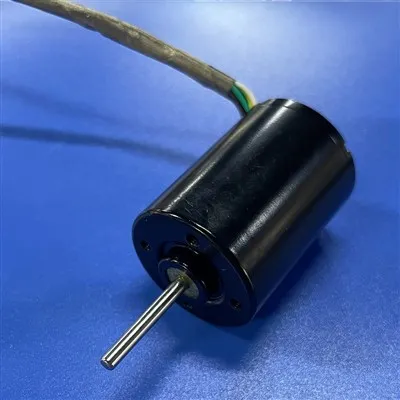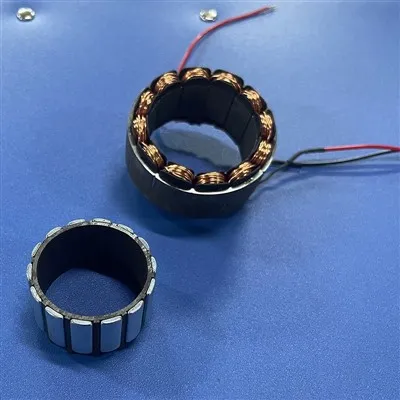


A geared motor is a power device that converts the high-speed operation of an electric motor into a low-speed, high-torque output. It is widely used in industrial applications such as conveying and lifting where precise control of speed and torque is required. Its core function is to reduce the input speed through a gear transmission system while amplifying the output torque to meet the specific power transmission needs of the equipment.
Technical Principles and Core Components:
This equipment mainly consists of a three-phase asynchronous motor and a helical gear reducer. The motor provides the initial power, with a rated power of 3.7kW and a rated voltage of 380V, operating at 1400rpm. The reducer achieves speed reduction and torque amplification through helical gear meshing. It employs a hardened gear surface design to improve wear resistance, and its coaxial layout places the input and output shafts on the same axis, resulting in a more compact structure. A single-stage reduction ratio of 7.5 can reduce the input speed from 1400rpm to 186rpm while simultaneously achieving an output torque of 110N·m, meeting the requirements of heavy-duty applications.
Key Parameters and Performance:
The equipment has a rated power of 3.7kW, is compatible with 380V three-phase power, and has a rated speed of 1400rpm, consistent with common industrial motor standards, facilitating system integration. The helical gear reducer uses a hardened tooth surface process, resulting in high tooth surface hardness, the ability to withstand greater loads, and extended service life. Precise control of the output speed at 186rpm ensures stable matching of load speed requirements in conveyor belts, elevators, and other equipment. The allowable torque of 110N·m indicates its ability to drive medium-sized mechanical components, making it suitable for most conventional industrial scenarios.
Installation Method and Applicable Scenarios:
The horizontal installation allows the equipment to be fixed horizontally to a frame or the ground. The coaxial layout reduces space occupation and facilitates docking with other transmission components. It is mainly used in material handling systems (such as assembly line conveyors) and vertical lifting equipment (such as freight elevators and lifting platforms) requiring low-speed, high-torque power. Its non-customized design (custom parameters are optional) and standardized specifications (3.7kW) make it a general-purpose industrial power solution.