

Amidst the wave of Industry 4.0, smart servo motors and servo controllers-key components in industrial automation-are spearheading the intelligent upgrade of the manufacturing sector. This article explores the manufacturing processes, technical characteristics, and market prospects of these devices.
I. Overview of Smart Servo Motors and Servo Controllers
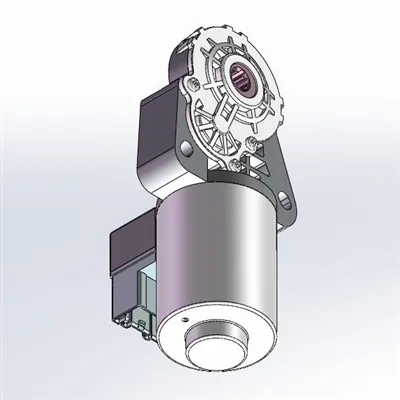
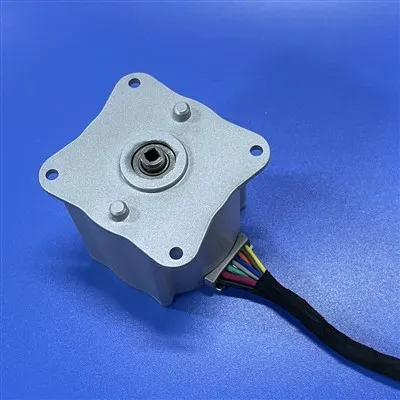
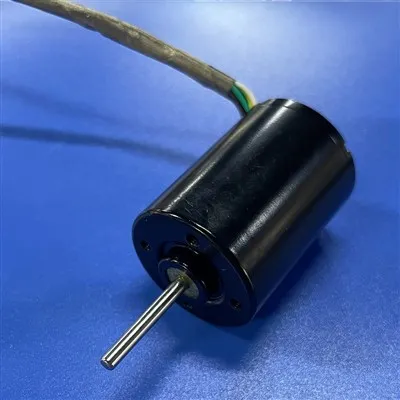
Smart Servo Motor: A motor integrating a high-performance motor, a drive unit, and a feedback device, capable of precise control over position, speed, and torque.
Servo Controller: The core component used to control the servo motor; it is responsible for receiving commands, processing signals, and driving motor operation.
II. Manufacturing Processes
Motor Manufacturing:
Aluminum Housing Die-Casting: Precision die-casting technology is used to manufacture the motor housing, ensuring structural strength and heat dissipation performance.
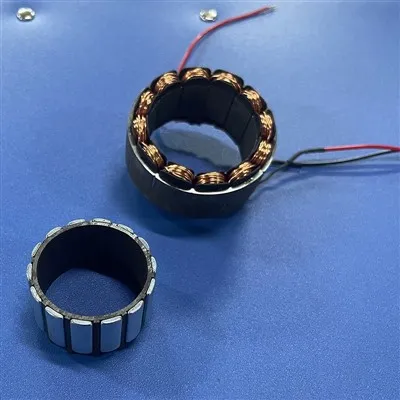
Stator Winding: High-precision winding equipment ensures uniform windings and minimizes energy loss.
Permanent Magnet Materials: High-performance permanent magnet materials are selected to enhance motor efficiency and torque.
Rotor Assembly: Rotor components are assembled with precision to ensure balance and minimize vibration.
Controller Manufacturing:
PCB Fabrication: High-precision PCB fabrication processes ensure circuit board quality.
Component Mounting: SMT (Surface Mount Technology) is used for component placement, enhancing automation and precision.
Soldering Process: Advanced soldering techniques ensure the reliability of solder joints.
Software Programming: Efficient controller software is developed to enable intelligent control functions.
III. Technical Characteristics
High-Precision Control: Smart servo motors and controllers achieve sub-micron level position control, meeting requirements for high-precision motion.
Rapid Response: Short system response times allow for quick execution of control commands, boosting production efficiency.
Energy Efficiency and Environmental Friendliness: High-efficiency motors and optimized control algorithms reduce energy consumption and environmental pollution.
Intelligence: Integration of AI algorithms enables functions such as adaptive control and fault diagnosis.
IV. Market Prospects
Industrial Automation: As the level of industrial automation rises, market demand for smart servo motors and controllers will continue to grow.
Robotics Industry: Smart servo motors and controllers are core components in the robotics sector, offering immense market potential. New Energy: In the new energy sector, intelligent servo motors and controllers offer broad application prospects, with uses ranging from wind power generation to electric vehicles.
V. Conclusion
The manufacturing of intelligent servo motors and servo controllers is a crucial element in driving the development of industrial automation. Through continuous technological innovation and process optimization, these components will deliver higher efficiency, lower energy consumption, and enhanced safety to industrial production, ushering industrial automation into a brand-new era.