

The Motor World: DC and AC Dominate the Market
The "heart" of new energy vehicles essentially boils down to two main types – DC motors and AC motors. Within the DC camp, there are brushed DC motors (with brushes) and brushless DC motors (without brushes); the AC camp is dominated by asynchronous induction motors and permanent magnet synchronous motors. The following breakdown will help you understand which is the true protagonist.
Brushless DC Motor: Replacing Spark Plugs with "Electronic Eyes"
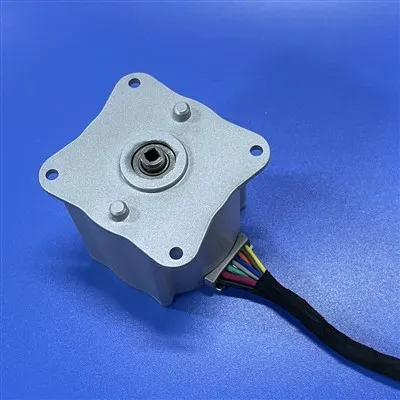
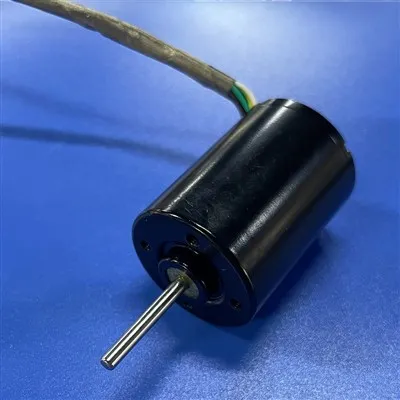
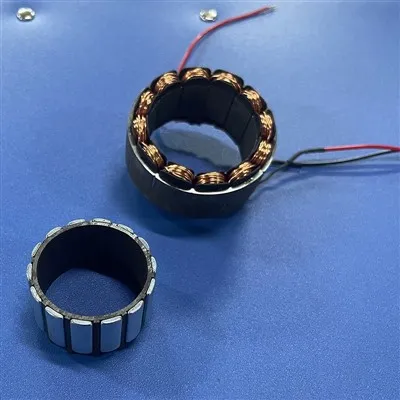
Structural Disassembly: Brushless DC motors replace the commutator and brushes of traditional DC motors with a permanent magnet rotor + stator windings + position sensor. This retains the inherent advantages of linear speed regulation of DC motors while eliminating the burdens of sparks and long maintenance cycles.
Core Differences
While both use a rotor and stator, the most obvious difference in brushless DC motors is the absence of a mechanical commutator and brushes. Instead, three Hall effect sensors provide real-time information to the controller regarding the magnetic pole location, enabling electronic commutation. This results in a comprehensive upgrade in size, efficiency, and reliability.
AC Permanent Magnet Synchronous Motor: A Rising Star with Rare-Earth Permanent Magnets and Fully Digital Technology
Technological Breakthrough
In the past decade, the collective maturity of power electronics, rare-earth permanent magnets, microcontrollers, and energy feedback technologies has propelled permanent magnet synchronous motors (PMSMs) into the mainstream of new energy sources. It achieves the ultimate in "low stator current and strong rotor magnets," increasing power density by over 30% while halving the weight.
Owners' Perks:
Fully Digitalized: The drive interface is plug-and-play like a smartphone, resulting in more precise vehicle calibration;
Energy Recovery: Kinetic energy is converted into electrical energy during braking to recharge the battery, subtly increasing range by 5%;
Cheap Maintenance: No carbon brushes, no commutator, lifetime maintenance-free;
Low Torque Pulsation: No vibration during low-speed hill climbing, maximizing comfort.
In short: For the same 100 horsepower, permanent magnet synchronous motors are smaller, lighter, and more affordable.
AC Induction Asynchronous Motor: A "long-time partner" on American highways
Terrain Determines Technology: The mature American highway network, with vehicles frequently cruising at speeds above 80 km/h, fully amplifies the "wide-range, high-efficiency zone" advantage of asynchronous motors; As China's highway network becomes increasingly dense, the penetration rate of asynchronous motors is also quietly rising.
Four Key Strengths:
Simple Structure: Two sets of symmetrical stator windings; rotor does not use rare earth elements, resulting in affordable costs.
Robust and Short-Circuit Resistant: Even if the inverter fails, it will not generate back EMF for "sudden braking."
Low Noise and Vibration: Low torque ripple; the cabin is quiet enough to hear navigation clearly.
Strong Environmental Adaptability: Stable output under high temperature, high humidity, and high altitude conditions.
In short: For affordability, durability, and high efficiency for long distances, asynchronous motors remain the "king of cost-effectiveness."
Conclusion: There are no absolutes, only optimal solutions for specific scenarios.
Urban commuting + subsidy era: Permanent magnet synchronous motors have become mainstream due to their high power density and low cost.
Logistics light trucks + long-distance passenger transport: Asynchronous motors outperform others in efficiency at high speeds and are also affordable.
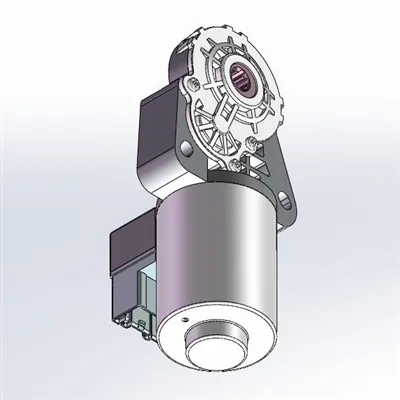
Windshield wipers and window regulators: Brushed DC motors remain inexpensive and effective, as these motors are not picky about fuel type.
Choosing the right motor means finding the optimal balance between cost, efficiency, comfort, and lifespan for the entire vehicle. The next time you see "motor type" listed in the configuration table, you can probably tell at a glance how fast, how far, and how economical this car is intended to be.